
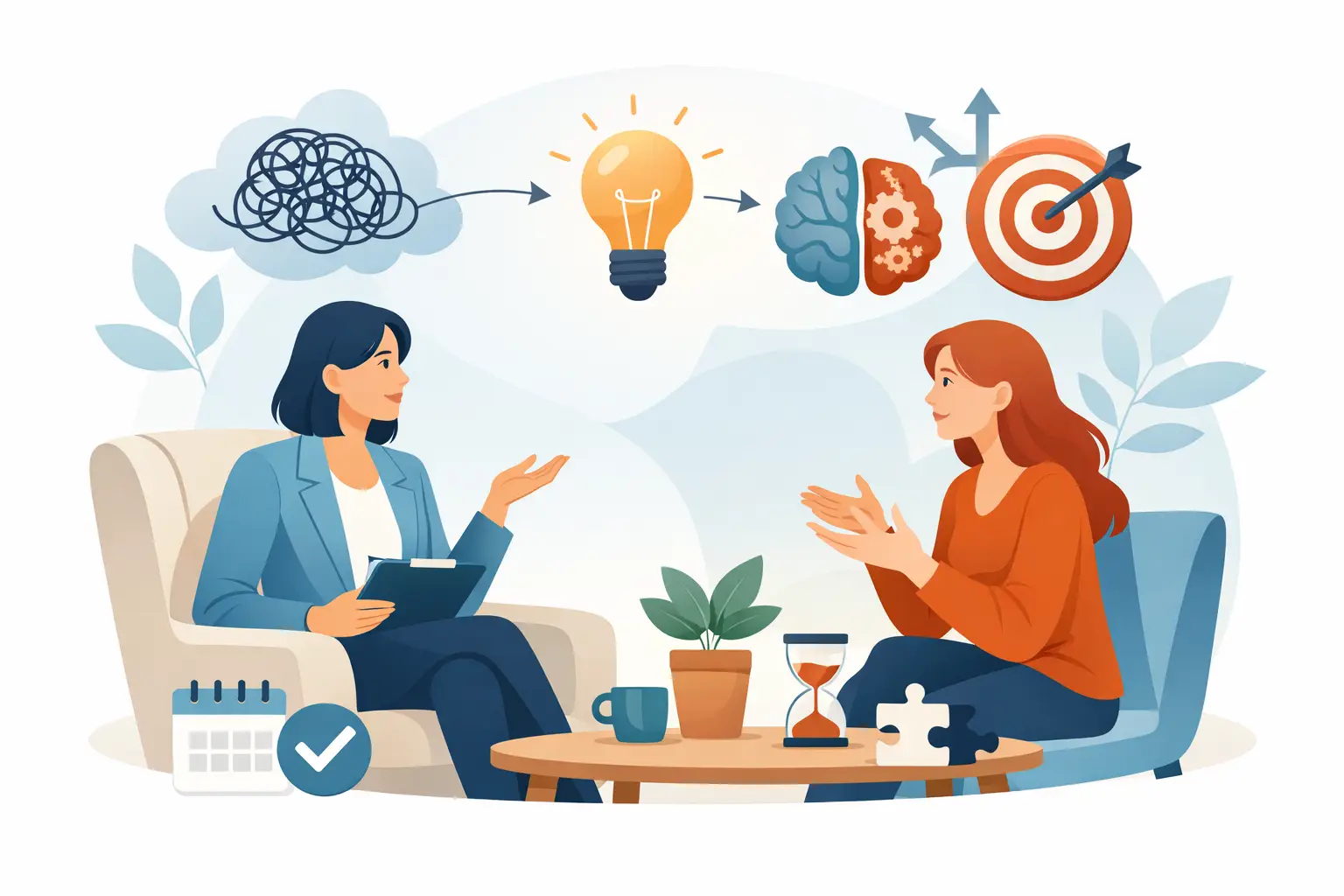
A lot of women arrive at ADHD support feeling exhausted, confused and quietly hard on themselves. They have tried planners, productivity apps, colour-coded systems and advice that looked good on paper but fell apart in real life. Women ADHD coaching matters here because it starts from a different place – not with blame, and not with the idea that you need to become a completely different person to cope.
For many women, ADHD has been missed, minimised or explained away for years. You may have been labelled anxious, disorganised, lazy, emotional or inconsistent when the real picture was far more complex. Maybe you hold things together at work and then crash at home. Maybe you seem capable from the outside, but internally every routine feels like it takes twice as much effort as it should. Coaching can be useful precisely because it focuses on day-to-day functioning, not just insight.
Why women with ADHD often need different support
ADHD does not look the same in every person, and many women have spent years masking. They may overprepare, people-please, overthink or push themselves into burnout just to keep up with ordinary demands. That can make their struggles less visible to other people and, at times, harder to explain even to themselves.
Hormonal changes can also shift how symptoms show up. Some women notice sharp changes around puberty, the menstrual cycle, pregnancy, perimenopause or menopause. Tasks that once felt manageable can suddenly become harder. Focus slips, irritability rises, routines break down and self-trust drops with them. In that context, generic productivity advice can feel not just unhelpful, but demoralising.
This is where coaching has a practical role. It helps translate ADHD understanding into realistic systems that suit your brain, your responsibilities and your energy. It is not about perfection. It is about building supports that still work on messy days.
What women ADHD coaching actually looks like
Good coaching is structured, collaborative and grounded in real life. It is not therapy, and it is not a lecture. It is a practical process where you work with someone who understands ADHD patterns and helps you turn insight into action.
That might mean unpacking why mornings keep derailing, why deadlines only become real at the last minute, or why emotional overload wipes out your whole afternoon. From there, the work becomes specific. You create routines that are simple enough to repeat, planning systems you will genuinely use, and strategies for reducing friction before it turns into shutdown.
A strong coach also helps you notice what is already working. Many women with ADHD are resourceful, intuitive, creative and excellent in a crisis, yet those strengths get buried under years of criticism. Coaching can help bring them back into view while also addressing the areas that feel hardest.
Common goals in women ADHD coaching
The goals are usually less about becoming more disciplined and more about becoming better supported. For one woman, that might mean arriving at work without feeling behind before the day starts. For another, it could be managing household tasks without constant conflict or shame. For someone else, it is finally finding a way to follow through on study, admin or finances.
A coaching plan often centres on focus, routines, time management, prioritising, emotional regulation and follow-through. It may also include boundaries, communication, self-advocacy and recovery from chronic overwhelm. If you have spent years blaming yourself, even small practical wins can have a big effect on confidence.
There is no one right place to start. Sometimes the best first step is a weekly planning structure. Sometimes it is reducing visual clutter, changing how reminders are used, or creating a better handover between work mode and home mode. It depends on what is causing the most stress right now.
The difference between coaching and clinical care
Many women ask whether coaching replaces diagnosis, psychology or medical treatment. It does not. Coaching is non-clinical support. Its job is to help you function more effectively in everyday life by turning goals into doable systems.
If you are exploring diagnosis, coaching can still be valuable. It can help you organise your observations, notice patterns and prepare for the assessment process. If you already have a diagnosis, coaching can help bridge the gap between knowing you have ADHD and knowing what to do next.
For some people, coaching sits alongside clinical support. For others, it is the first type of support that feels usable because it is practical and specific. The right mix depends on your needs, your symptoms and where you are in the process.
How to tell if women ADHD coaching is a good fit
If you understand your challenges but still struggle to change them, coaching may be a strong fit. The same applies if you keep collecting information without being able to apply it consistently. Insight is helpful, but insight alone does not build routines.
Women ADHD coaching can be especially useful if you are high-functioning on the surface but paying for it with stress, burnout or constant self-monitoring. It can also help if you feel stuck in cycles of overcommitting, falling behind, then trying to catch up in a panic.
That said, coaching is not a magic fix. It works best when there is enough stability to reflect, test strategies and practise new patterns over time. Progress is rarely neat. Some weeks will feel encouraging and others will feel frustrating. A good coaching process makes room for that without turning normal setbacks into failure.
What to look for in a coach
A coach should understand ADHD well enough to see past surface-level habits and help you identify the pattern underneath. Warmth matters, but structure matters too. You want someone who can validate your experience without leaving you in it.
Look for a coaching approach that is shame-free, strengths-based and practical. It should feel clear rather than vague, and personalised rather than one-size-fits-all. The best support usually includes collaborative goal setting, realistic accountability and strategies that fit your actual week, not an imaginary ideal one.
For Australian clients, accessibility matters as well. Flexible coaching by video, phone or other formats can make support easier to sustain, especially when energy, work hours, family demands or location are factors. Services such as ADHD Coaching Australia are built around that kind of practical access, which can make a real difference when consistency is already hard.
What progress can really look like
Progress in coaching is often quieter than people expect. It may be fewer missed appointments, less time spent looking for things, or a smoother start to the morning. It may be noticing overwhelm earlier and recovering faster. It may be finally using one planning tool consistently instead of restarting a new system every fortnight.
These changes can sound small, but they are not small when they reduce daily stress. More importantly, they can shift the story you tell yourself. When life feels less chaotic, confidence often grows alongside function.
Coaching does not remove ADHD. It helps you work with it more effectively. That means building supports around your patterns, adjusting when life changes, and dropping strategies that look impressive but do not hold up in practice. The goal is not to become someone else. The goal is to make life more manageable, more sustainable and a lot less punishing.
If you have spent years thinking you just needed to try harder, that can be a profound change. The right support does not add more pressure. It gives you a clearer path forward, one practical step at a time.