
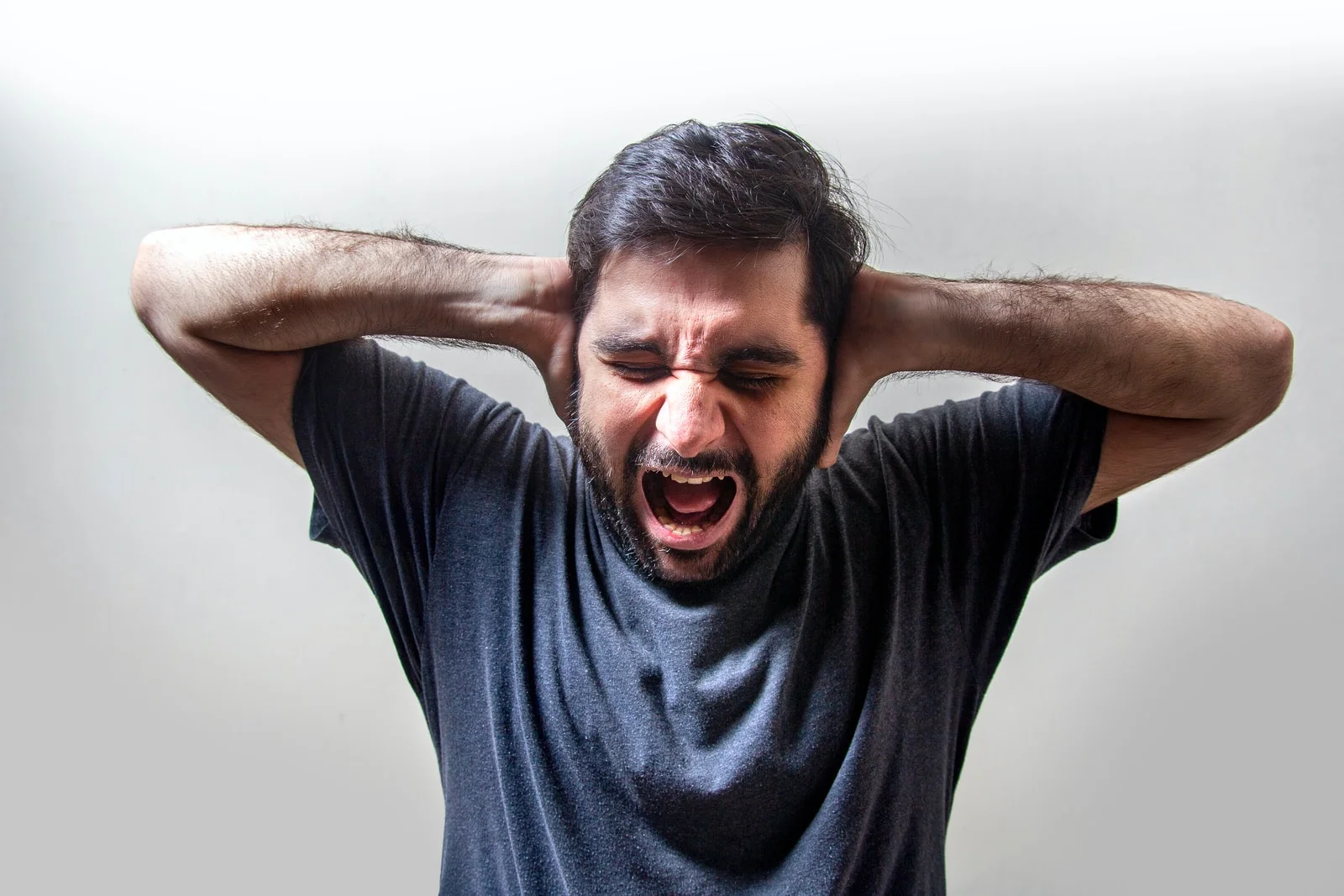
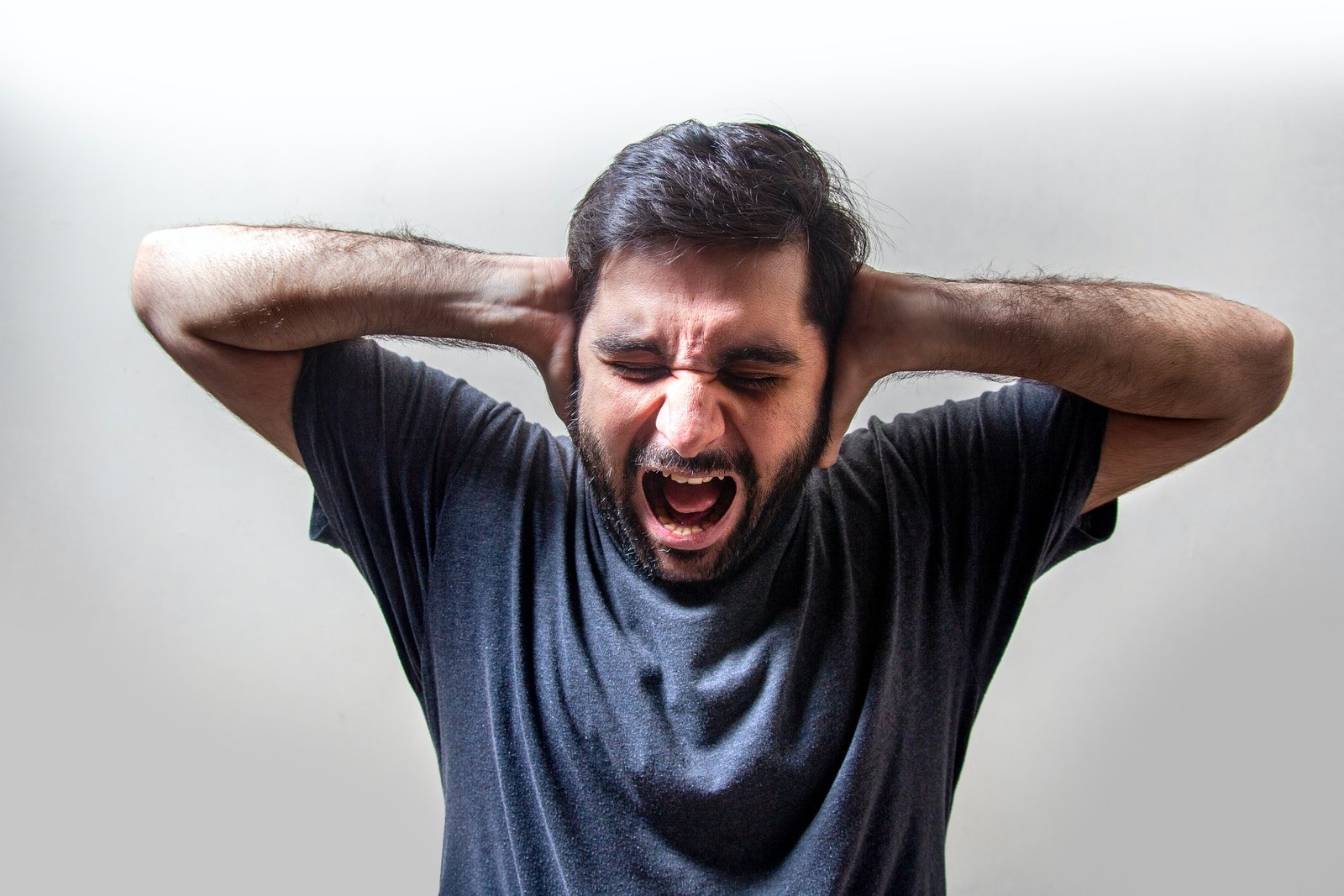


Why Do People with ADHD Experience Anger More Intensely?
Anger is a normal human emotion.
It helps us respond to challenges, protect boundaries, and react to situations that matter. But for many individuals with ADHD, anger can feel stronger, quicker, and harder to manage.
Understanding why this happens is the first step toward handling it more effectively.
The Link Between ADHD and Anger
ADHD is not just about attention and focus.
It also affects emotional regulation, which is the ability to manage and respond to emotions in a balanced way.
This means:
- Emotions can feel more intense
- Reactions can happen more quickly
- It can be harder to pause before responding
Anger is often one of the emotions most affected.
Why Anger Feels Stronger with ADHD
Emotional Intensity
People with ADHD may experience emotions more deeply, which can make frustration or disappointment feel overwhelming.
Impulsivity
ADHD can make it harder to pause before reacting, leading to immediate emotional responses.
Low Frustration Tolerance
Small setbacks can feel bigger, especially when tasks are already challenging.
Rapid Mood Changes
Emotions can shift quickly throughout the day, increasing the likelihood of sudden anger.
Sensitivity to Feedback
Perceived criticism or rejection can trigger strong emotional reactions.
Common Triggers for Anger
Anger in ADHD is often linked to specific situations, such as:
- Feeling overwhelmed by tasks
- Experiencing repeated setbacks
- Miscommunication or conflict
- Time pressure or missed deadlines
- Feeling misunderstood or unsupported
Recognising triggers makes it easier to respond differently.
How Anger Can Affect Daily Life
If not managed, anger can impact:
Relationships
- Misunderstandings
- Conflict with family, friends, or colleagues
Work and Productivity
- Difficulty collaborating
- Reduced focus after emotional reactions
Well-Being
- Ongoing stress
- Mental fatigue
The goal is not to remove anger, but to manage how it is expressed.
Practical Strategies to Manage Anger with ADHD
Pause Before Reacting
Create a short delay before responding, even a few seconds can help.
Identify Triggers
Notice patterns in situations that lead to frustration.
Use Physical Reset Techniques
Walking, stretching, or stepping away can reduce emotional intensity.
Build Awareness
Recognise early signs of frustration before they escalate.
Develop Clear Routines
Structure reduces stress, which lowers emotional reactions.
Improve Communication
Express concerns calmly instead of reacting immediately.
Building Long-Term Control
Managing anger is not about suppressing emotions.
It is about building systems that help you respond more effectively.
Structured support like ADHD Coaching can help you:
- Improve emotional regulation
- Build awareness of triggers
- Develop practical response strategies
- Reduce overwhelm and frustration
You may also explore tools like ADHD Self Assessments or an ADHD Performance Assessment to better understand your patterns.
Conclusion
Anger in ADHD is not a flaw.
It is often the result of emotional intensity, impulsivity, and difficulty regulating responses.
With the right strategies and support, it is possible to manage anger more effectively and improve relationships, focus, and daily life.
If you are ready to build better emotional control and practical systems, you can explore ADHD coaching in Australia or reach out directly:
Phone: +61 422 516 327
Email: hello@adhdcoachingaustralia.com.au
Better awareness leads to better control. The right support helps you stay consistent.